I have been playing around with artificial intelligence over the last eight months, and many things that we could only dream about before are now possible.

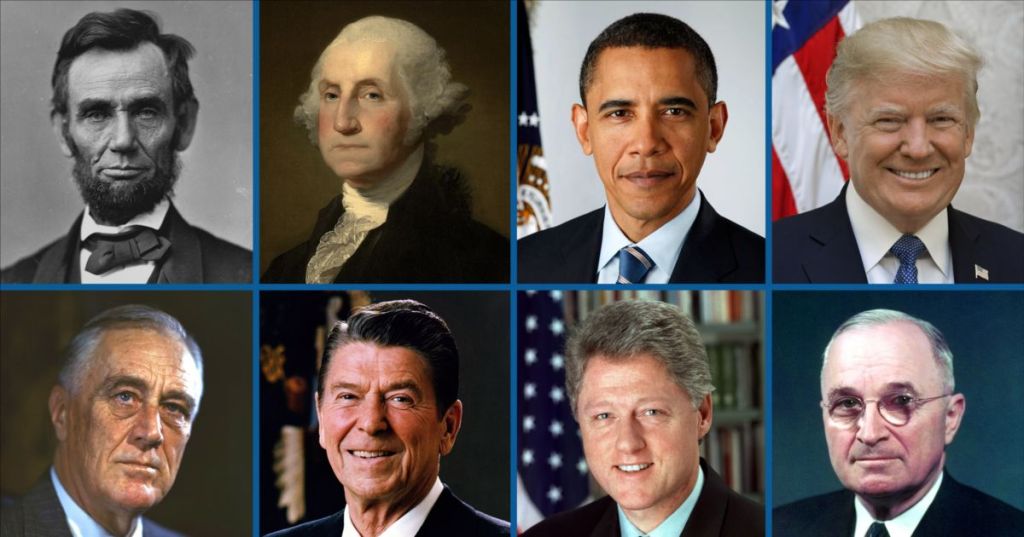
I am a history buff, and I love how history helps to make the future more predictable. So, with the help of A.I. I went into the past — back to 1865 exactly, and imagined America without colored people. This series will probably finish the year, but here is the story of this alternative America.
After 1865 (the end of the U.S. Civil War), all Black, Brown, and Asian (“yellow,” in the language of the 19th century) people had left America permanently, the consequences would have been enormous across every dimension of American life. Here’s a breakdown:
—
1. Demographic Impact
In 1865, about 4 million formerly enslaved Black people lived in the U.S. (roughly 12–13% of the total population). Their departure alone would have left vast areas—especially in the South—depopulated.
Chinese immigrants, though fewer in number at the time, were central to building the transcontinental railroad (completed in 1869). Without them, expansion westward would have been slower and more expensive.
Mexican and Indigenous populations in the Southwest and California would have been erased from the national story, leaving large swaths of land nearly empty.
—
2. Economic Consequences
Agriculture: Southern plantation economies relied heavily on Black labor, even after emancipation, through sharecropping and tenant farming. Their sudden departure would have caused economic collapse in much of the South.
Infrastructure: Without Chinese laborers and later Japanese workers, the U.S. would have struggled to build key infrastructure in the West.
Industrial Growth: The 20th century’s labor needs (e.g., steel, automobiles, railroads, domestic service) would have faced massive shortages without immigrants and descendants of these groups.
Cultural industries: Jazz, blues, gospel, and later rock, hip-hop, and Latin music—all central to America’s cultural exports—would never have existed.
—
3. Cultural Identity
The U.S. calls itself a “melting pot.” Removing entire races would have left only white Americans of European descent.
There would be no Harlem Renaissance, no Black civil rights movement, no Mexican-American culture, no Asian-American food, film, or innovation.
The cultural dynamism that helped define America globally (music, food, sports, film) would have been far less vibrant and influential.
—
4. Political and Social Development
The fight for civil rights—central to America’s 20th-century history—would never have happened in the same way. Instead, political debates might have remained focused on class, gender, and European immigrant groups (Irish, Italians, Jews, Poles, etc.).
The Civil Rights Act, Voting Rights Act, and other landmark legislation may not have come into being—or would have looked very different.
Racial tension between whites and non-whites would have been absent, but America would still have dealt with xenophobia toward later European immigrants, and sharp divides between rich and poor.
—
5. Geopolitical Standing
America’s “soft power” today is heavily tied to its multicultural culture exports: Black music, Latino arts, Asian cuisine, Hollywood diversity. Without these, U.S. culture would not have become as dominant worldwide.
Military strength, too, would have been affected—tens of thousands of Black, Latino, and Asian Americans served in every U.S. war from the Revolution to the present. Without them, manpower would have been weaker.
—
6. Global Symbolism
The U.S. would have presented itself as a white settler republic only—something more akin to apartheid South Africa or colonial states.
Its claims to democracy, diversity, and freedom would have rung hollow, likely weakening its international reputation.
—
In summary
Without Black, Brown, and Asian populations after 1865, America would have been whiter, less diverse, less culturally rich, economically weaker, and geopolitically diminished. It would likely resemble a large, industrial, but culturally insular European nation, rather than the global powerhouse defined by its multiculturalism.

***More to come














 ClydeStyle