
Tag: Help

  • Living with a disability

    Although it is not talked about much, July is Disability Pride Month, and specifically, July 26th celebrates the signing of the American Disabilities Act (ADA).

    In America, we don’t do a good enough job taking care of this population. Similarly, we don’t take care of seniors either. Like everything else, money and status matter so that despite how rich of a cou try this is, we fail to take care of our most vulnerable.

    It is not even on the radar for most people. If you don’t have a disability or you’re not helping to take care of a person with disabilities, their care would not be on your mind.

    Five years ago, I was stricken with a bacterial infection that eventually made me a bilateral below-knee amputee and killed my kidneys. I am also on dialysis. Medicaid has been a blessing to me as I am taking 17 pills per day, and the prescription bill alone would be hard to afford.

    As long as I stay in the network, my health expenses are covered. But let’s talk about the coverage. I wear prosthetics and  ,  like everything else, if you have money, you will be up and walking close to normal. If you are poor, it’s an entirely different story.

    I have the lowest form of prosthetics available outside of a pirate’s peg leg. It takes me nearly 500 percent more energy to take a step than a healthy person. More advanced prosthetics could get me closer to 50 percent if I had the money.
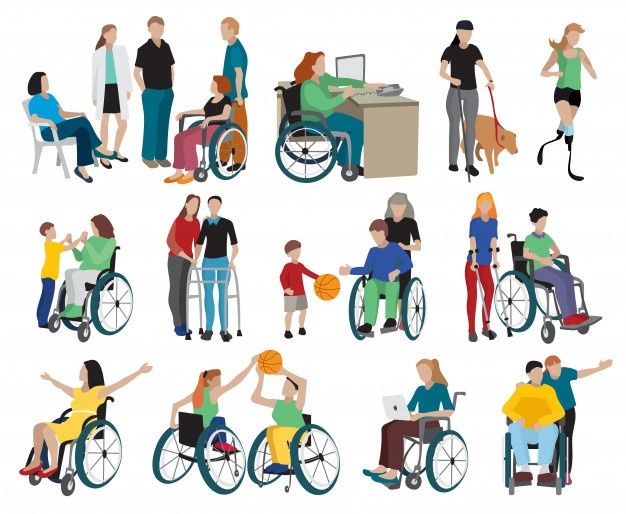
    Because of this, many people, in my case, don’t even attempt to walk because of this. Imagine not having legs and trying to get around and do things. Even with assistance, it is difficult.

    Technology should make life easier for everybody. We decide to always bring cost into it. So what then is the benefit of being in the richest country?

    Shout out to all the caregivers who donate time and energy to help the disabled. We will pray together for things to get better.


  • Disorder danger

    In an effort to provide helpful information for families dealing with trauma, I want to discuss dissociative disorders today. It is very important when parenting to provide a literal safe-haven for your children. Home life should be care-free, loving, supportive and encouraging. It should be a place where your children can feel safe and secure from harm and be able to escape the pressures and worries of life. They need to be a part of an environment that is designed with them in mind.

    Normally at the beginning of their life we make sure the house is safe — especially as they become toddlers and begin to walk. We put things in place so they won’t get hurt. We lock cabinets and plug outlets to ensure safety and we try and have them follow a route everyday so they know what to expect and there are very minimal surprises. As they get older we stop thinking so much about their safety and docus more on their independence. Well, dissociative disorders are mental disorders that involve experiencing a disconnection and lack of continuity between thoughts, memories, surroundings, actions and identity. People with dissociative disorders escape reality in ways that are involuntary and unhealthy and cause problems with functioning in everyday life.

    The cause has to do with trauma normally in their youth. It could be natural disasters, death of a loved one, molestation, physical, emotional or sexual abuse or even war. Because personal identity is still forming during childhood, a child is more able than an adult to step outside of himself or herself and observe trauma as though it’s happening to a different person. A child who learns to dissociate in order to endure a traumatic experience may use this coping mechanism in response to stressful situations throughout life.

    The adult version of this gets worse. The disconnect from emotions starts and is stimulated by stress. Memory loss, a perception of the people and things around you as distorted and unreal and a blurred sense of identity. Significant stress or problems in your relationships, work or other important areas of your life and an inability to cope well with emotional or professional stress. And of course mental health problems, such as depression, anxiety, and suicidal thoughts and behaviors will manifest itself in adulthood.

    It’s not all do and gloom though because psychotherapy and or medication have proven to be extremely successful treatments. If we could only move the stigma of mental health counseling being a negative, more people could get help. This condition effects every part of adult life and it makes relationships very difficult. The result end with people seeking alternative ways of dealing with the disorders. They self medicate, use drugs, having eating disorders and major depression.

    There is help available and the people suffering with this disorder are not alone. Seek professional help or visit http://www.clydestyle.org for answers. I am here for you!

  • No change yet? New Year looks the same as last?

    No change yet? New Year looks the same as last?

    January is always interesting when it comes to resolutions. It’s the month where you either sink or swim. New diet, new health challenge, new job, new plan — all subject to the fall in January.

    You spent money on new stuff. You spent time making vision boards and setting schedules and by week 2 or 3 the whole things in jeopardy.

    What went wrong?

    You had a perfect plan but it seems the motivation got stuck in customs in December. You have now begun the mental gymnastics of rationalizing your failure… well it’s not quite a failure yet but it’s getting there.

    Willpower is your enemy — and the fact that you may have done better with a partner or a group with the same goal.

    Willpower is a funny thing because even when the facts are stacked in your favor and your plan was routed in the best of empirical data — it still requires execution from you. I’m so sorry.

    I am wondering if what you decided was right for you? I’m also wondering were your motives for doing it in the right place?

    To make a real plan you need to address and solve a real problem. But if the problem is not exactly a problem for you, then you really won’t have the required amount of willpower to complete your task.

    So, wipe your slate clean and plan your resolutions quarter. Pick nine things of varying degrees of difficulty and group them in 3s. Make sure each group has something hard, easy and in between. Get it?

    Start working on them… skip the third quarter of the year and then finish the last quarter strong. Problems? Email me!