
What is the cost of convenience these days? It seems like the better we are technologically, the worse off we get.
Artificial Intelligence says the phrase “convenience is killing us” means that our constant pursuit of easy and readily available options, often in the form of processed foods, fast services, and readily accessible technology, is negatively impacting our health, environment, and overall well-being by encouraging laziness, poor dietary choices, and a lack of meaningful engagement with our surroundings; essentially, prioritizing immediate comfort over long-term health and sustainability.
It has always been this way. For example, in the 1700s, we would have a wood-burning stove and a fireplace, and between the two, the family would be gathered together in one room to stay warm. The kids would be lying on the floor near the fireplace. Mama would be in her rocking chair knitting, and Papa would be smoking his pipe and reading to the family from the “good book,” and there would be good, stimulating discussion and togetherness.
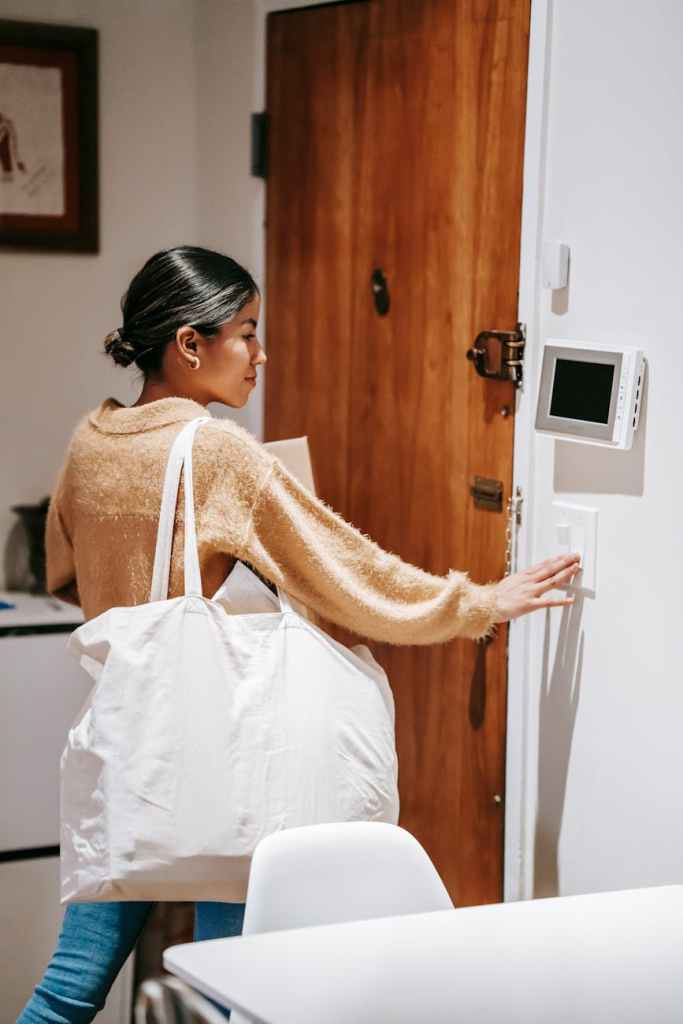
In 1830, a Scottish inventor created the thermostat, and with it, heat could be dispersed throughout all the rooms in the house with a controlled temperature and there was no need to gather together at the end of the day. By the 1900s, everyone was separated in their own rooms doing their own things. So much for togetherness.
If you ask a person in their 90s about the way things were, you would discover that to them, it seems like we as a country are in one big hurry for nothing. Everything is fast and in a hurray. We want things now. No waiting! Patience is gone.
And in our haste, we settled for less quality. In addition, we have sacrificed our health, created social isolation, lacked physical activity, created a negative environmental impact, and created mental health concerns. Is it really worth it?







 ClydeStyle